Approach

Art therapy online

Making space for what’s hard to name

Some experiences don’t arrive in clean sentences. They show up as tightness, looping thoughts, numbness, images you can’t shake, or a feeling you can’t quite explain. Art therapy online is for adults who want support that does not require you to have the perfect words first, and who are ready for therapy that can meet you through image, metaphor, and lived experience.

This is Vancouver-based care offered online across Canada, led by a board-certified art therapist (ATR-BC). You do not need to consider yourself “creative.” You only need a willingness to slow down and let what’s true take shape, at a pace that respects your nervous system and your life.

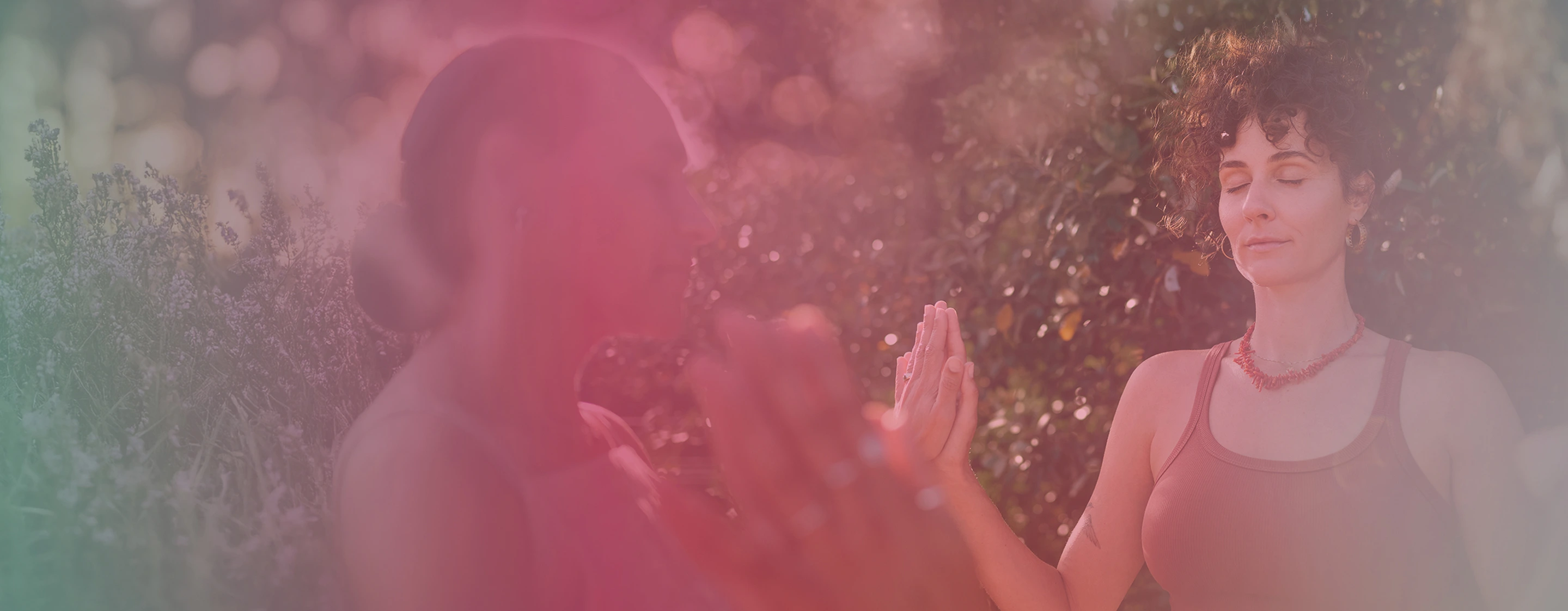
Hands resting near simple art materials in soft light, reflecting calm, adult-focused online art therapy

Understanding

When words do not reach it

Many adults come to therapy with strong insight and a lot of effort behind them. You may understand your history, your patterns, and the ways you adapted. And still, something inside remains vague, tangled, or unreachable. It can feel like you are circling the same story without landing anywhere new, or like the part that needs care lives somewhere deeper than explanation.

Art therapy offers another doorway. Instead of asking you to translate everything into a neat narrative, we can let images, shapes, symbols, or small creative experiments carry meaning as it forms. In this work, the goal is not to make “good” art. The goal is to create enough space for your inner life to show itself in a way that feels more honest than performance, and more precise than overthinking.

Because this is adult therapy, we stay grounded in your real context: relationships, culture, identity, power, and what your nervous system has had to do to get through. We work with cultural humility and a non-pathologizing stance, so you are not asked to flatten your lived experience to fit a narrow template of what therapy is “supposed” to look like.

Support

What this can shift

More access to what is true

When an image carries what words cannot, you may finally be able to stay close to the real feeling, meaning, or conflict without forcing clarity too soon.

Less self-judgement about how you cope

Creative work can soften shame by showing survival strategies as meaningful, protective responses, not personal failures that need to be corrected.

More room for complexity

Art can hold contradiction: love and anger, grief and relief, longing and refusal. You do not have to simplify yourself to be understood.

A steadier relationship with emotion and sensation

Instead of being flooded or shut down, you may learn to track what shifts inside with more choice and less fear, especially when life feels high-stakes.

New options for expression and repair

For some people, the most honest apology, boundary, or truth arrives through a letter, a drawing, a symbol, a poem, or a small ritual of meaning-making that matches the moment.
Art therapy can be both expressive arts in therapy and creative therapy in the most practical sense: a way to make contact with what’s real, and to let that contact support change you can actually live.

Clayre Sessoms Image Something Seem offClayre Sessoms Image More Information

In session

How we work

Sessions are relational, paced, and consent-based. We begin with what is present for you, and we use art-making as one possible language for what you are carrying. Sometimes that means creating in session. Sometimes it means talking while you hold an image, notice a symbol, or describe what you made between sessions. Sometimes it means working without any art at all until it feels right. The work follows your readiness, not a script.

Because this is therapy, we do not interpret your art from a distance or assign meanings to you. We stay close to your experience of what you made, what it felt like to make it, and what it reveals about your needs, your protection, your grief, your desire, or your next step. This is experiential art therapy in the sense that the process matters as much as the product: how you move, pause, choose, avoid, reach, and respond while creating often mirrors how life is being carried inside you.

You might notice and explore:

  • How your body responds while you create, including tension, urgency, numbness, or relief
  • Images or symbols that keep returning and what they may be asking for
  • A story you have told for years and what changes when you draw it instead
  • Parts of you that want to hide, perform, control, or disappear, and what those parts protect
  • Writing therapy prompts when words begin to come, including letters you do not send
  • Poetry as therapy when your inner life needs rhythm, metaphor, and permission to be more than literal
  • Small rituals of meaning-making using ordinary materials (paper, stones, found objects, colour, collage)

This is not art class, art analysis, or a performance of creativity. It is art-based therapy that treats your experience with dignity and care, and it is flexible enough to meet you whether you arrive flooded, shut down, or unsure what you need.

How we offer art therapy online

Online art therapy Canada can work surprisingly well because you are already in the environment where your life happens. That means your nervous system has less to manage, and you have access to what supports you: your own chair, light, tea, music, pets, a blanket, your preferred materials, and the privacy of your space. For many adults, this makes it easier to create without self-consciousness, and easier to integrate what emerges into everyday life rather than leaving it behind in an office.

We keep the work grounded and doable. You do not need expensive supplies or special tools. We can use what you have, adapt to your energy level, and build a rhythm that supports steadiness rather than overwhelm. When art-making feels like too much on a given day, we can shift toward reflection, resourcing, and relational support, while keeping the creative doorway available when it helps.

What makes online art therapy workable

  • Simple, accessible materials (pen, paper, phone notes, collage, found objects)
  • Options to create in session or between sessions, depending on your pacing
  • Camera angles and sharing choices that protect privacy and consent
  • Support for transitions so you do not leave session raw and alone
  • A steady pace that keeps the work connected to real life, not just insight
  • We offer Vancouver-based care online across Canada for adults seeking art therapy that is relational, practical, and human.
Clayre Sessoms Image Peer Consultation

Fit

Finding the right fit

Art therapy is for adults who want support that can include more than conversation, without becoming performative or forced. You do not need to be an artist. You only need a willingness to be curious about what becomes possible when you give your inner life another way to speak.

This may resonate if:

  • You feel like something important is hard to name, even when you talk about it
  • You want therapy that includes image, story, and felt experience, not only analysis
  • You are navigating grief, stress, burnout, trauma-related patterns, or identity shifts and want a gentler way in
  • You want creative work that stays grounded in relationship and real life
  • You are drawn to art-making, writing, or symbolic practices as a way to process and integrate
  • You want care shaped by cultural humility and a non-pathologizing stance

It may not be the right fit if:

  • You want a skills-only model with worksheets as the centre of the work
  • You want your therapist to interpret your art for you, without your meaning-making
  • You are looking for art instruction, critique, or technique training rather than psychotherapy

In context

Part of our broader practice

Art therapy is part of our broader foundation in relational, experiential, and trauma-attuned care. We often weave creative work alongside other approaches when it supports the moment, especially when talk alone has not helped something shift, or when the body and nervous system need a slower, more indirect way to be met.

When you want to explore the wider framework beneath our approach to therapy, we invite you to visit the Trauma-informed therapist in Vancouver page. You may also choose to contact us when you have questions about fit, pacing, or how to begin.

Trauma-informed therapist in Vancouver: https://www.clayresessoms.com/therapy

Related Article
Clayre Sessoms Image Something Seem offClayre Sessoms Image More Information

Begin

A calm first step

You do not need a plan, a portfolio, or the “right” materials to begin. If you are feeling stuck, overwhelmed, disconnected, or simply tired of trying to explain everything in words, a consult can be a grounded place to start. We will keep it clear and practical, and we will move at a pace that respects your capacity.

  • Share what you are hoping for, and what has been hard to name
  • Ask questions about pacing, materials, and what sessions actually feel like
  • Leave with a clear next step for beginning art therapy as an adult

Frequently Asked Questions

What is art therapy for adults, exactly?

Art therapy for adults is psychotherapy that can include art-making as a way to explore meaning, emotion, and life experience. It is not about talent. It is about giving your inner world another language when words are not enough.

Do I have to make art in every session?

No. Some sessions include art-making, some include reflection, and some include a blend. We follow what feels supportive and workable for you.

Will you analyze or interpret my art?

No. We do not assign meaning to your work. We stay close to your experience of what you made and what it means to you, and we use that as the guide.

What materials do I need for online art therapy?

Very little. Many people start with paper and a pen. We can also use collage, phone notes, found objects, or whatever is accessible to you.

Can art therapy help when I feel numb or shut down?

Often, yes. Creative work can offer a gentler way to approach what feels unreachable, without forcing intensity or requiring you to explain everything at once.

Clayre Sessoms Image Peer Consultation